Mallorca: the Caribbean of Spain
When we talk about Mallorca, we’re not just referring to a typical sun-and-beach destination. This island has the remarkable ability to surprise even those who think they know it inside out. In recent years, a phrase has become popular among travellers, photographers and Mediterranean lovers alike: Mallorca, the Caribbean of Spain. And no, it’s not an exaggeration.
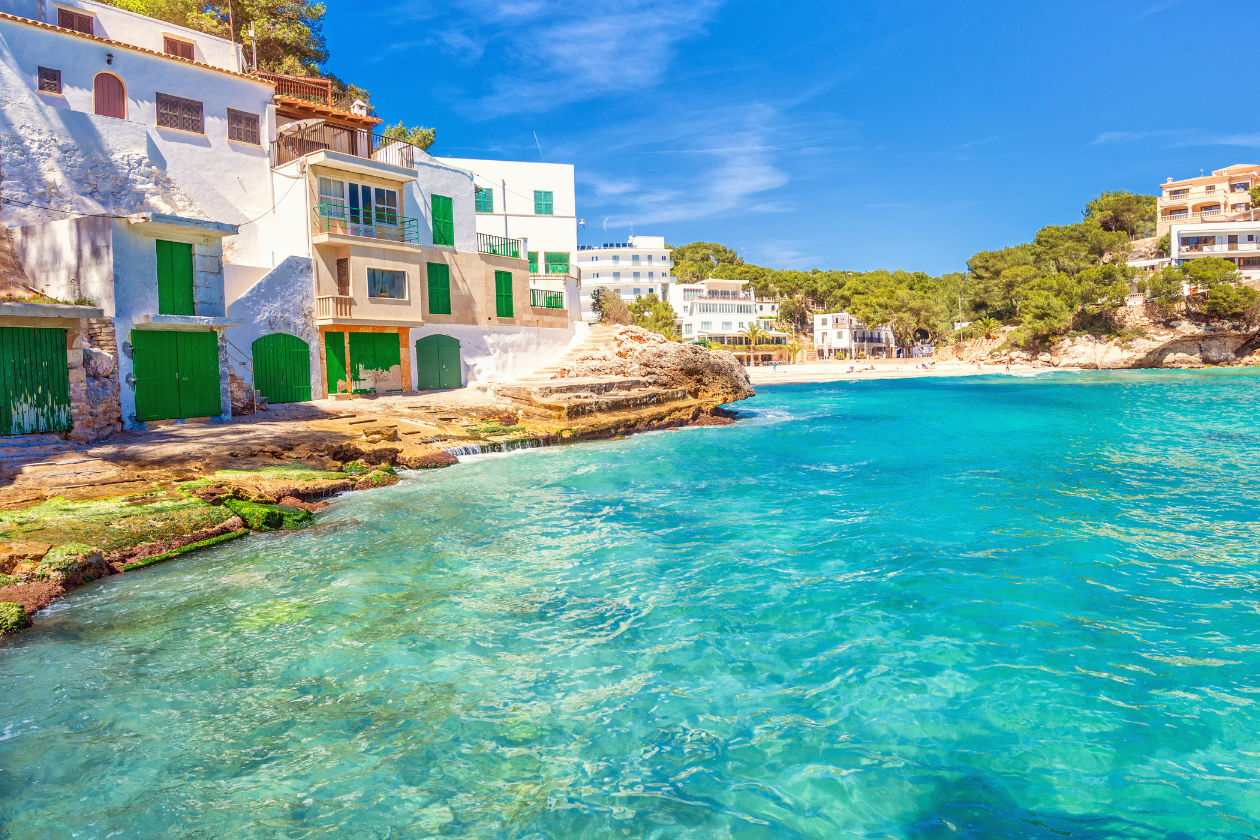
With turquoise waters, soft pale sand, secluded coves nestled between pine groves and cliffs, and a bright, radiant landscape that evokes tropical destinations – all without leaving Europe – Mallorca offers something truly special. In this article, we invite you to discover why this comparison has become so widespread and which spots best reflect that Caribbean feel.
Why is Mallorca known as the Caribbean of Spain?
This reputation is no coincidence and certainly needs no embellishment. Some stretches of coastline have such distinctive features that they stand out within the Mediterranean.
The crystal-clear waters allow you to see the seabed with ease, creating a dazzling range of blues and turquoises. This beauty is intensified by the white or golden sandy beaches and well-preserved surroundings, where natural landscapes still take centre stage.
The result is a visual experience reminiscent of tropical destinations – but with the comfort, culture and unique character of the Mediterranean.
The south: wide beaches and a feeling of space
The southern part of Mallorca is known for its spacious, open beaches – perfect for those seeking room to relax, comfort and an environment that feels largely untouched by urban development.
Es Trenc: the iconic Caribbean-style beach in Mallorca
If one beach captures the essence of the Spanish Caribbean better than any other, it’s Es Trenc. Located in the island’s south, Es Trenc is a long stretch of sand that spans several kilometres. Its pristine white sand and shallow, transparent waters make it ideal for swimming and snorkelling. Its remote location, away from large urban areas, helps preserve a peaceful atmosphere and a sense of connection with nature.
This stretch of coast is particularly appealing to those who value wide beaches that are easy to walk along, with clear, open views.
The south-east: hidden coves and protected landscapes
Further south-east, the scenery changes. Here, the coast is broken up into smaller coves, many of them set within natural parks, where the sea winds its way between rocky outcrops and pine forests.
Cala Mondragó and its surroundings
Located within the Mondragó Natural Park, Cala Mondragó offers a stunning blend of pale sand, calm waters and walking trails that link several coves throughout the park. It’s a favourite spot for families and for anyone who enjoys combining beach time with nature walks.
Nearby, you’ll find other coves famed for their beauty, such as Caló des Moro and Cala s’Almunia. Due to their small size, it’s best to visit early in the day or outside peak season.
If you’d like to discover more beaches with this kind of landscape, we recommend our blog article Mallorca’s finest beaches: a journey around the paradises of the Mediterranean, where we highlight some of the island’s most breathtaking coastal spots.
The north: open bays and coves nestled in the mountains
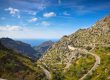
Mallorca’s northern coast offers a rich variety of idyllic settings – from long, expansive beaches to more sheltered coves, all set against the backdrop of the Serra de Tramuntana.
Playa de Muro: a true paradise
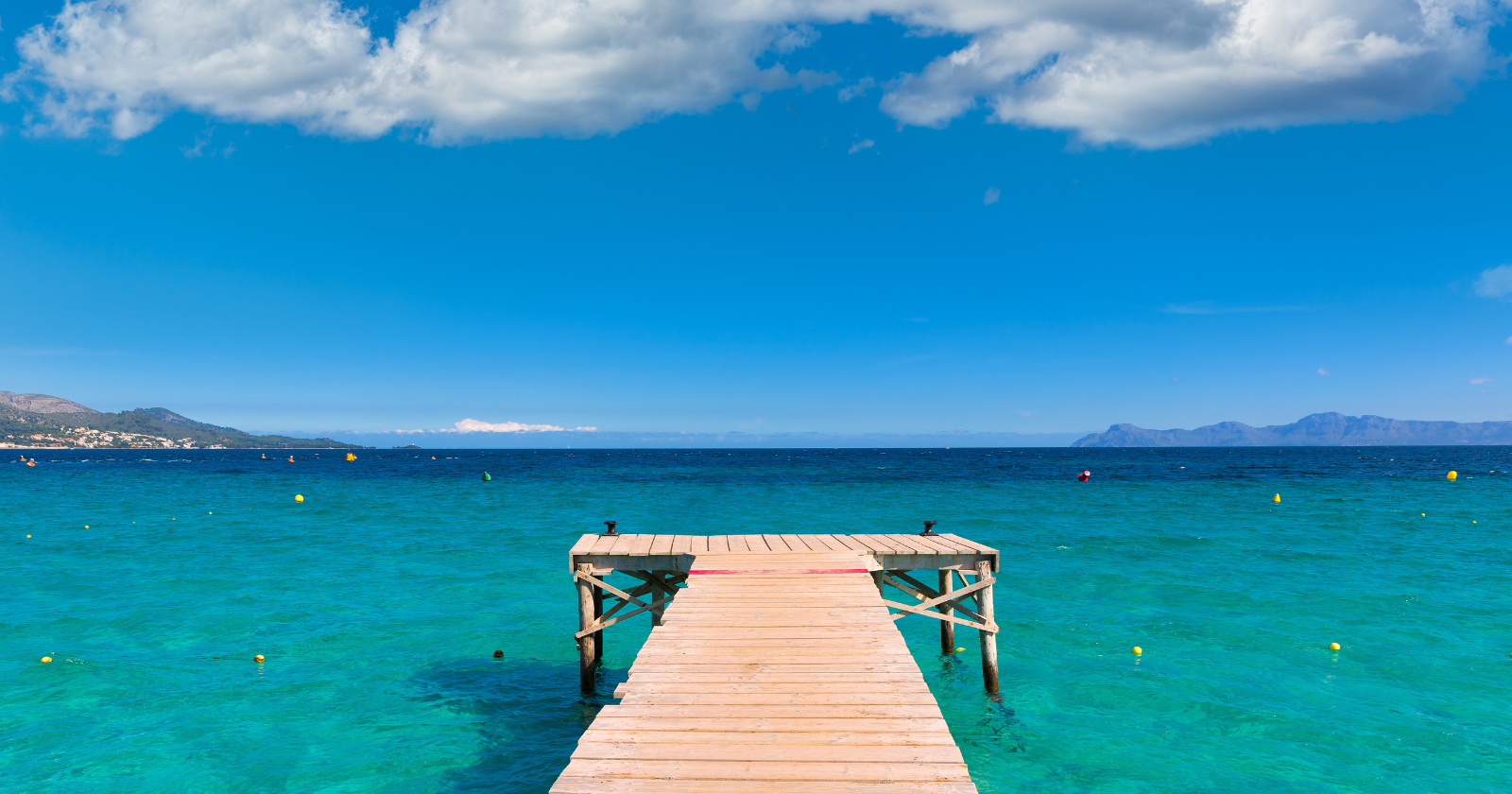
Located in the Bay of Alcudia, Playa de Muro stands out for its wide stretches of soft white sand and shallow, crystal-clear waters. Its sense of space and brightness make it a delightful spot for strolling, swimming or simply unwinding – even in peak season. It’s one of the northern part of the island’s most treasured paradises, with a natural, open setting that evokes the feel of a Caribbean escape.
Formentor and the Bay of Pollença
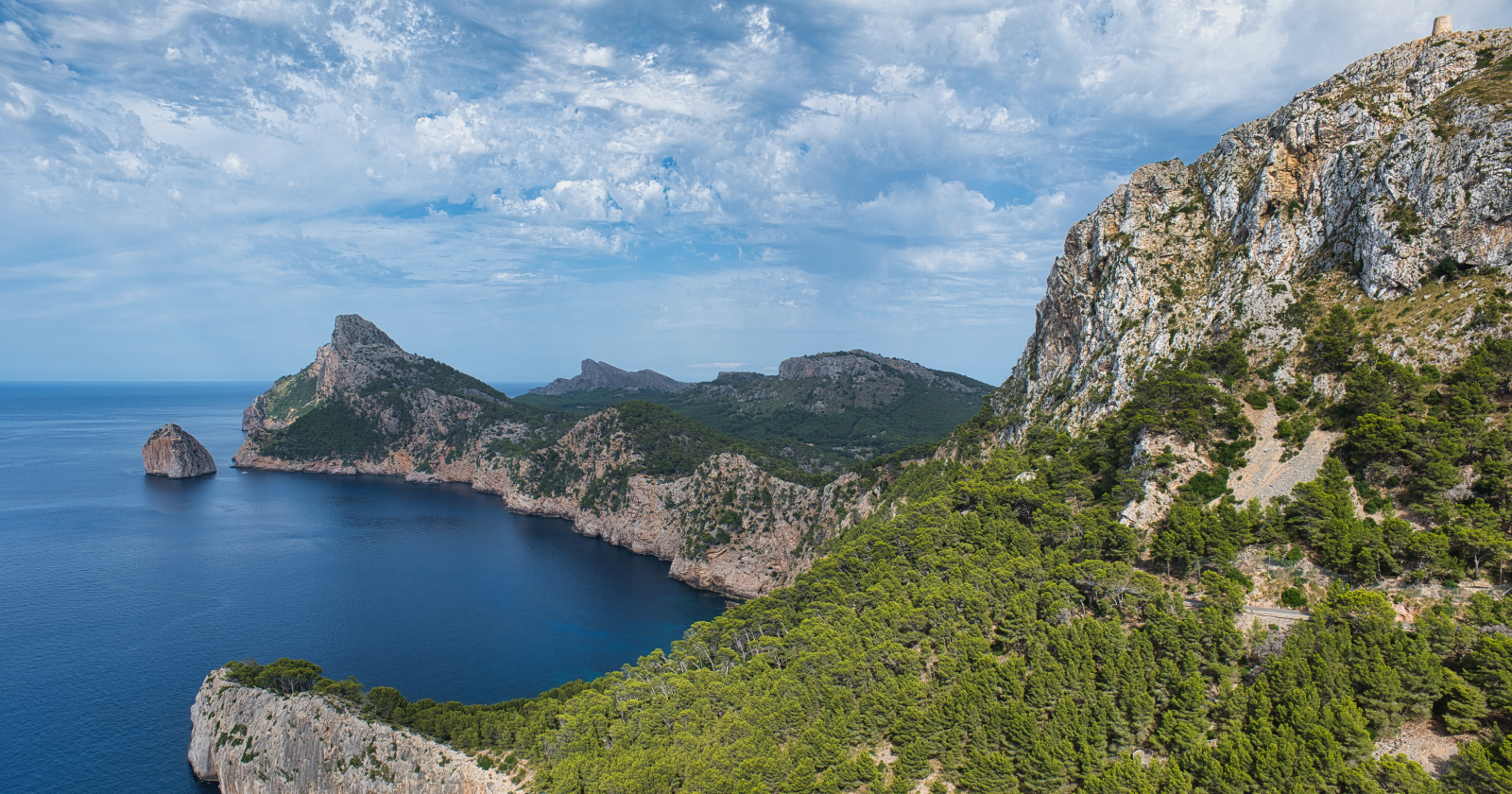
The Formentor peninsula is renowned for its spectacular blend of sea and mountains. Playa de Formentor, framed by pine trees, is particularly striking for its clear waters and pristine surroundings. It’s an ideal spot to spend a few relaxing hours, alternating between dips in the sea and resting in the shade.
On the opposite side of the bay lies the quiet residential area of Bonaire and Mal Pas. Here, you’ll find two small beaches – Sant Pere and Sant Joan – known for their transparent waters and peaceful, laid-back atmosphere. They’re a great option for those who prefer quieter, lesser-known places.
Coll Baix: a striking natural setting
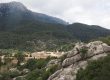
Close to Alcudia, Coll Baix is a beach dramatically framed by mountains and opening directly onto the sea. Reaching it on foot takes some time, which naturally limits the number of visitors and helps preserve its wild, untouched feel.
The contrast between the vivid water, rocky coastline and rugged landscape makes it one of the most eye-catching spots in the north. It’s the perfect choice for anyone who enjoys a bit of hiking before a refreshing swim.
Villages and surroundings: the perfect complement
Mallorca’s Caribbean charm isn’t just found at the shoreline. Many of these beaches are close to towns rich in history and local life.
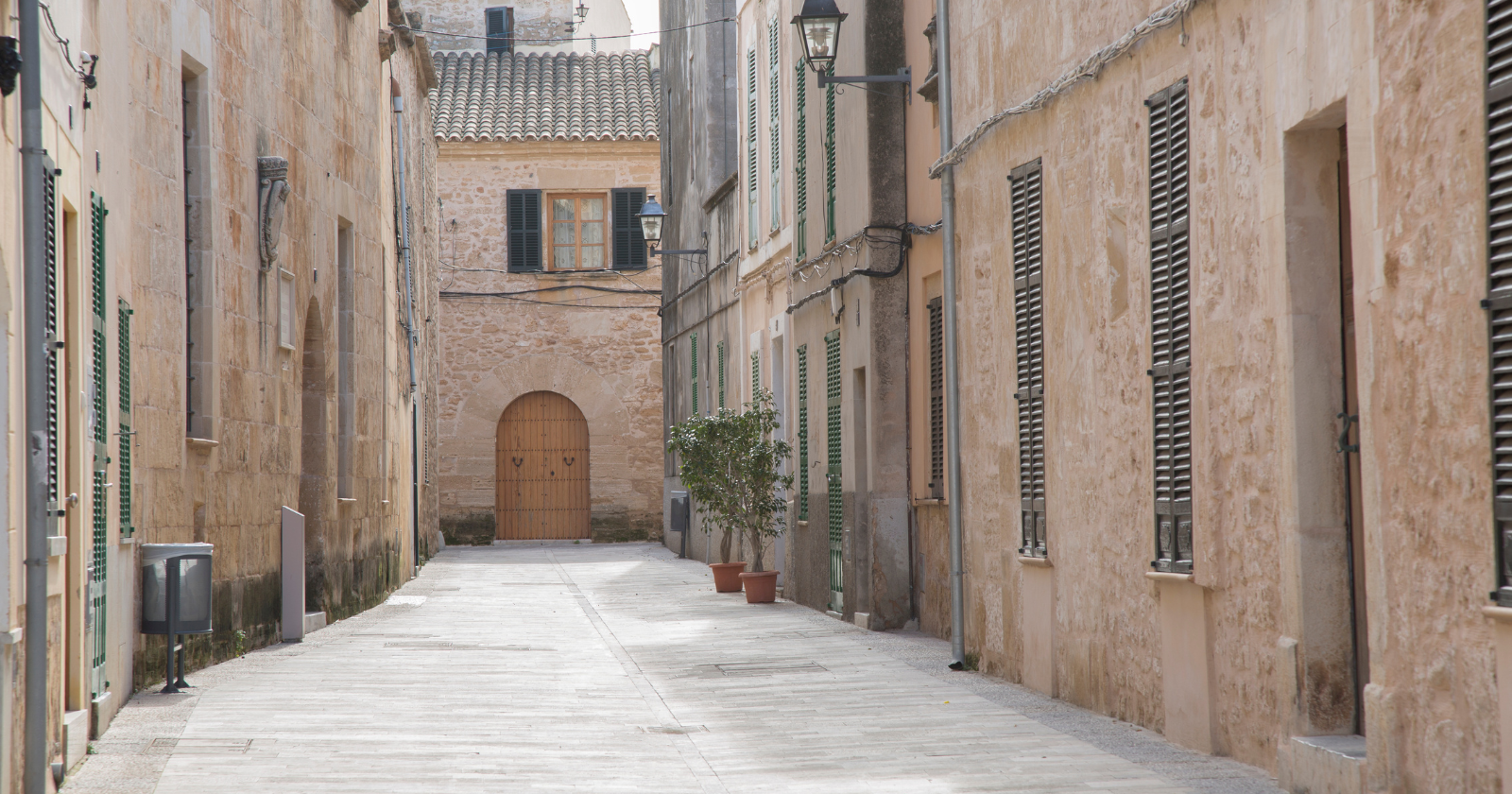
Alcudia, with its walled old town, is a must-see in the north. In the south-east, towns like Santanyí offer a mix of tradition, bustling local markets and cuisine centred on fresh, local ingredients.
Exploring both the beaches and their surroundings offers a deeper connection to the island – and reveals why Mallorca is far more than just a sun-and-sea destination.
Where to stay to discover the Spanish Caribbean
To make the most of these landscapes, choosing the right place to stay is essential. At thbhotels.com, you can explore all our hotels in Mallorca, each located in strategic spots across the island and well connected to many of the beaches and areas mentioned above.
This post is also available in: Deutsch Español Nederlands Français Italiano